Introduction to the Nyingma Icons
Au Leshe's Line Drawings of Dudjom Rimpoche's Lineages
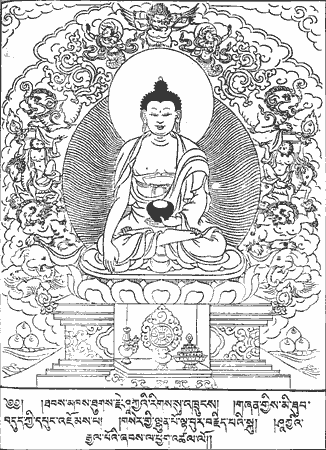
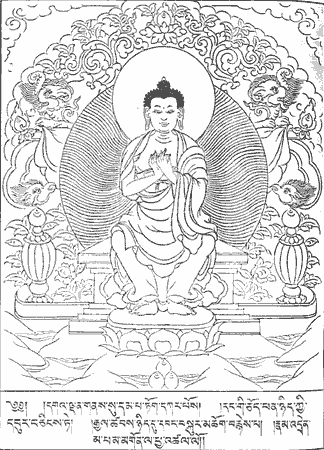
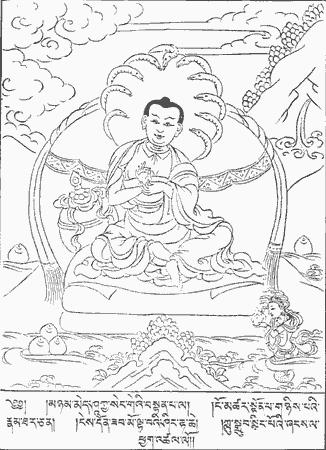
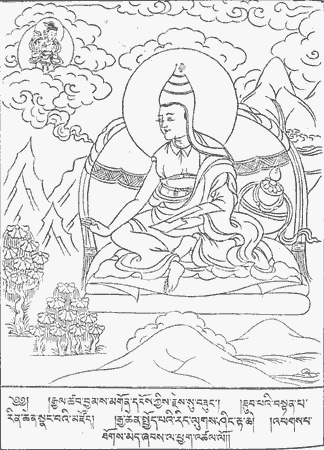
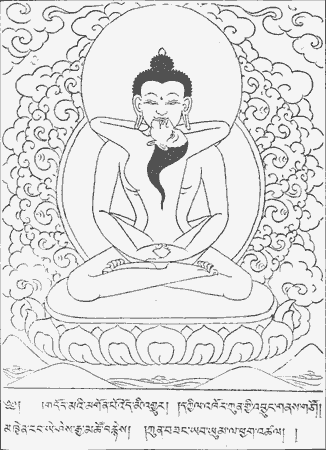
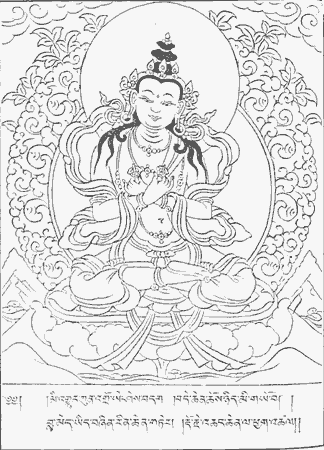
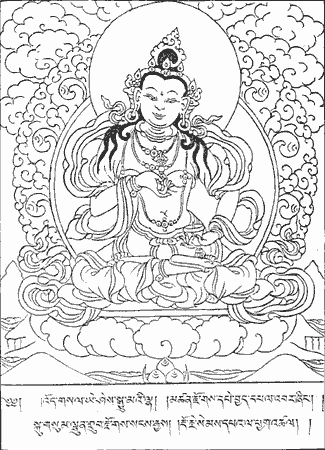
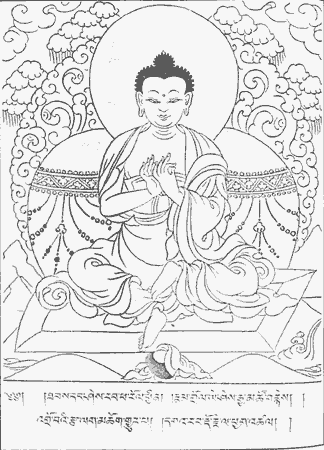
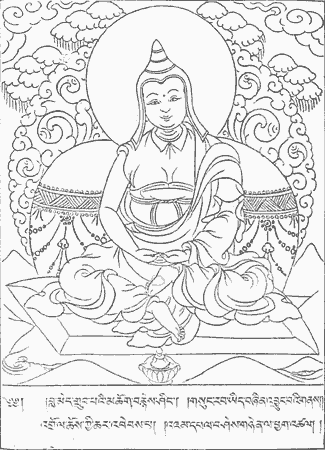
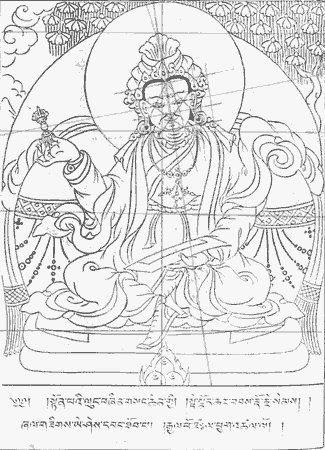
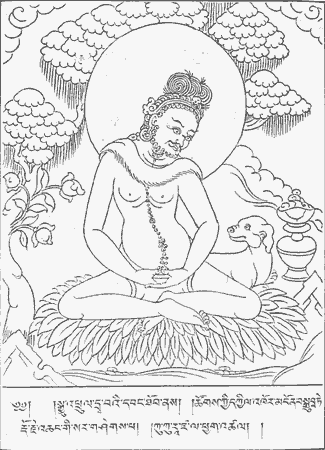
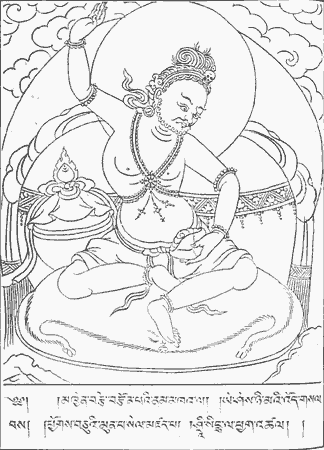
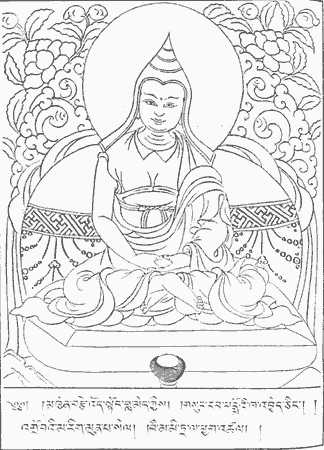
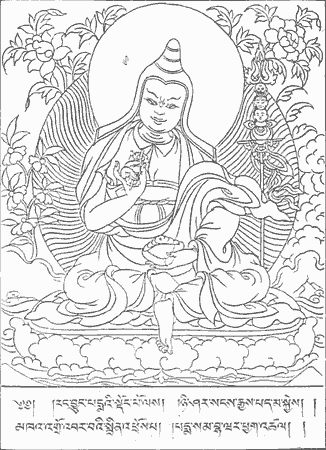
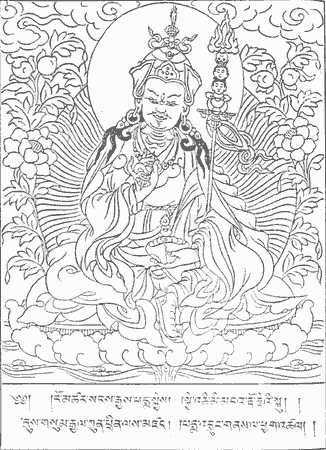
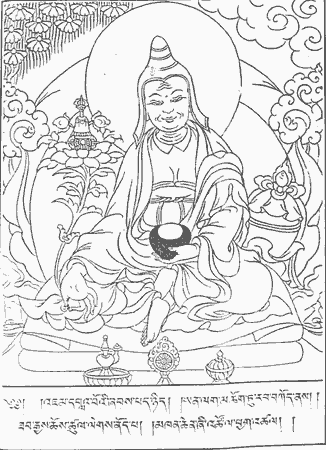
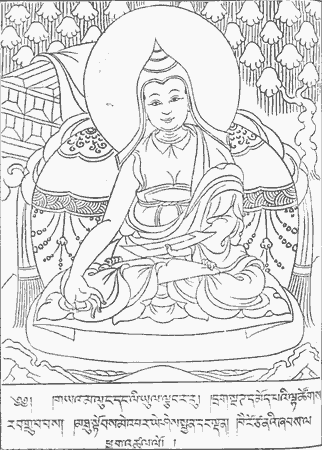
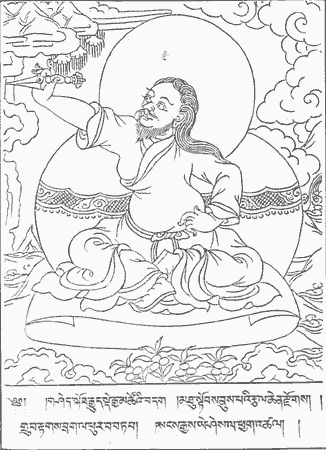
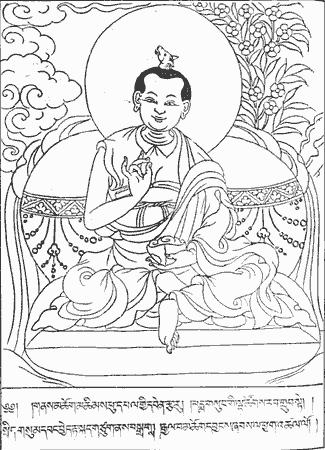
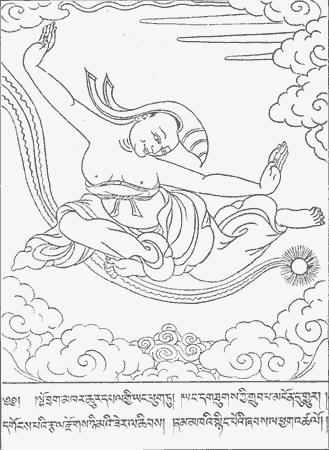
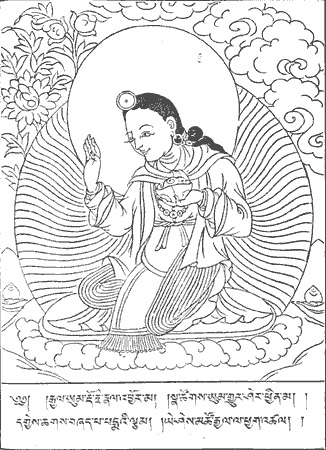
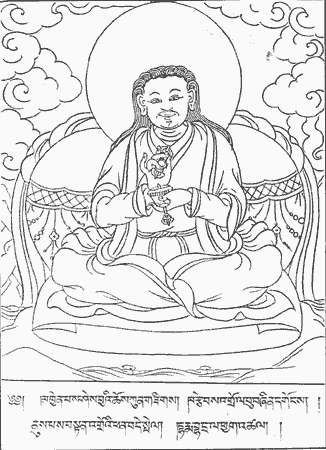
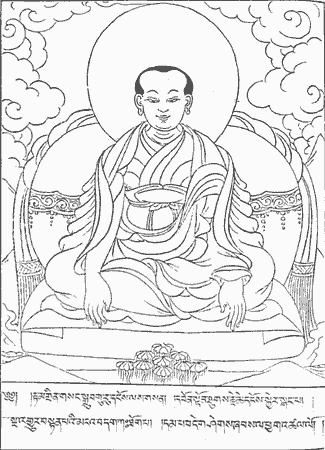
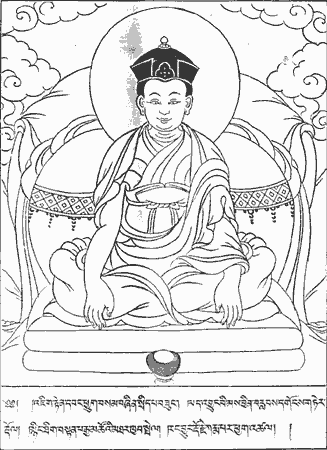
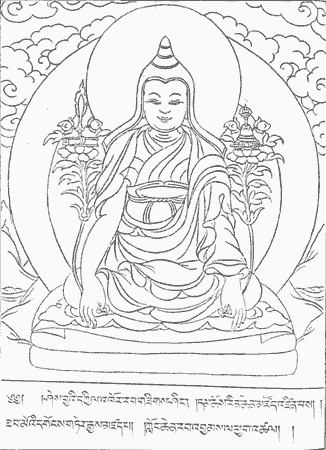
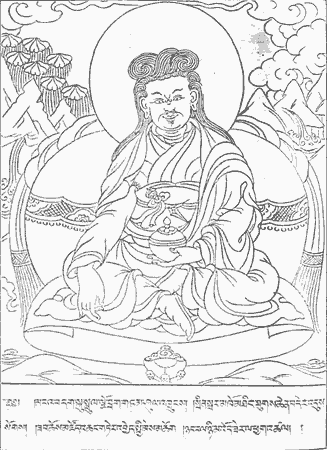
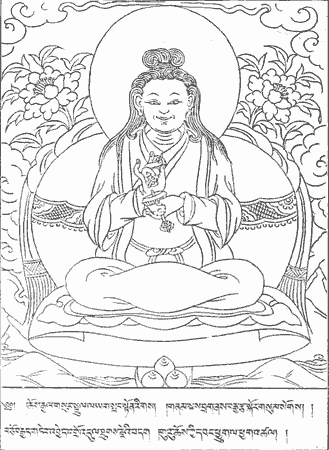
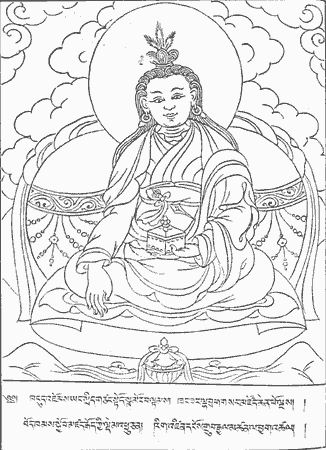
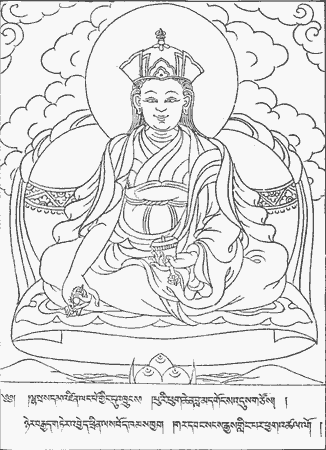
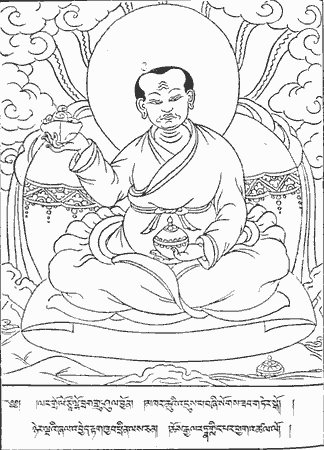
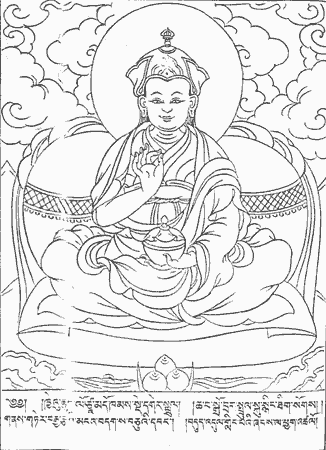
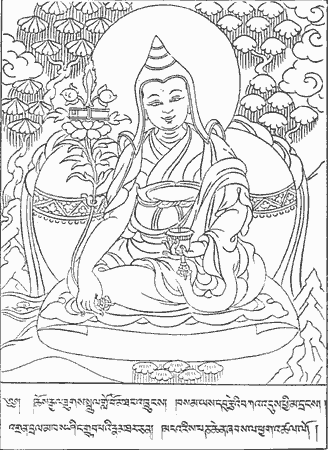
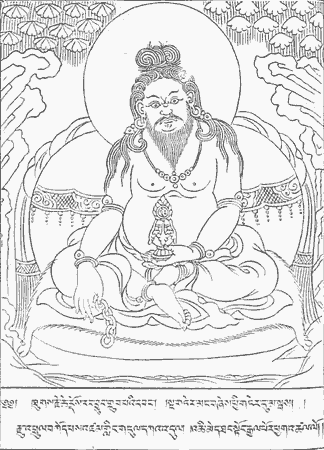
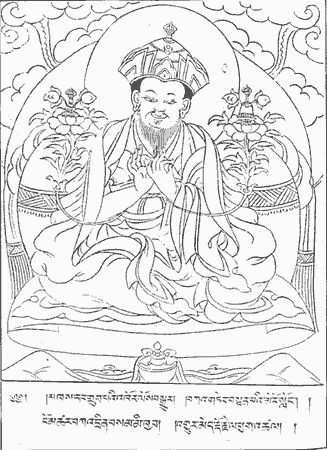
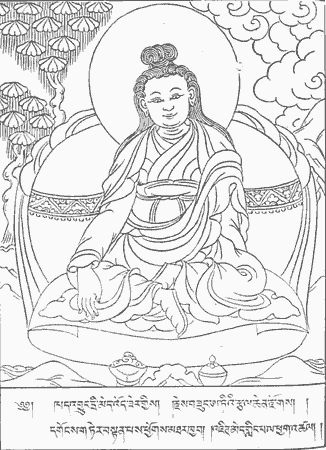
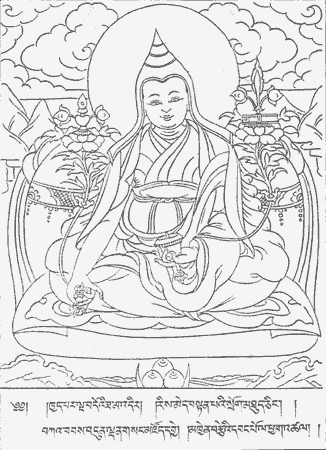
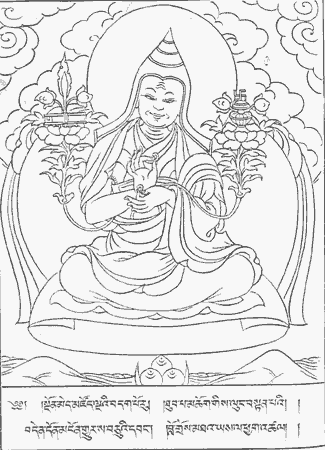
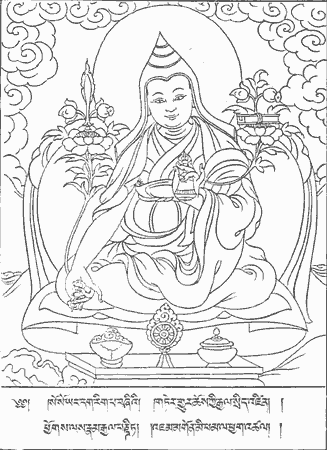
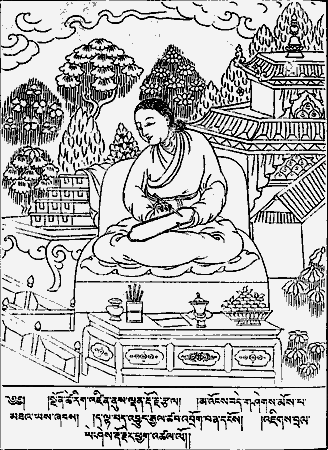
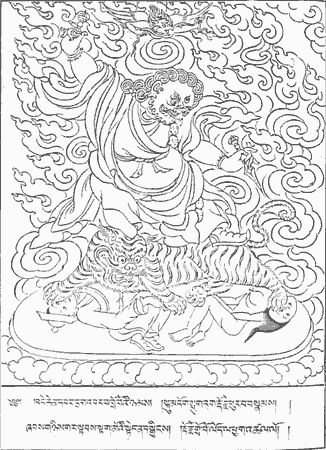
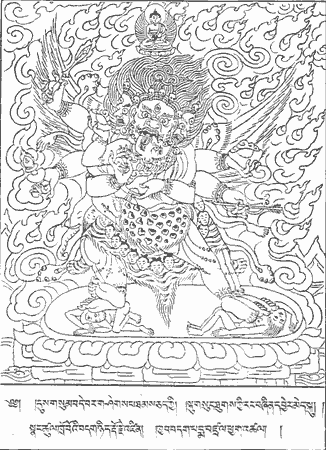
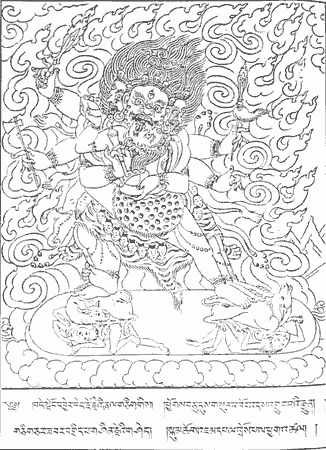
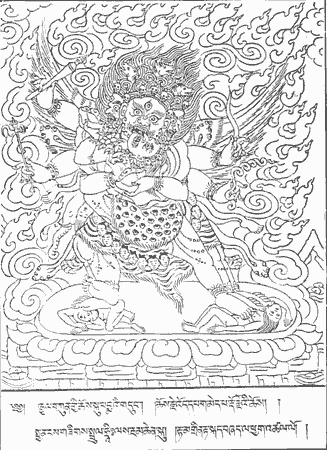
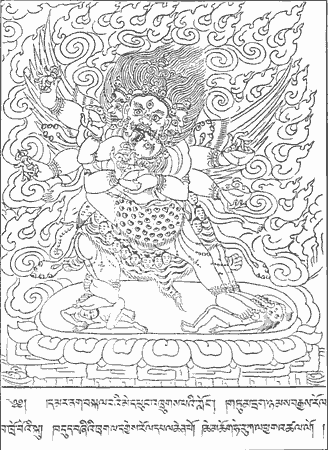
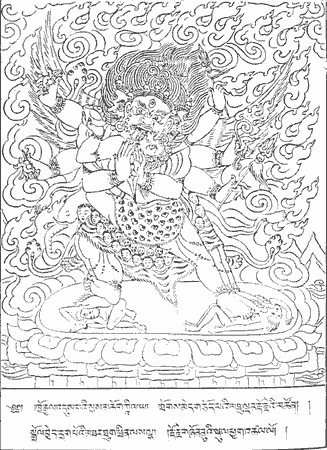
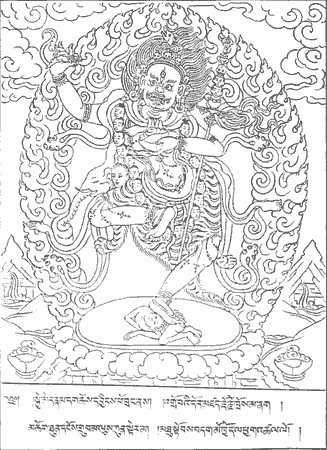
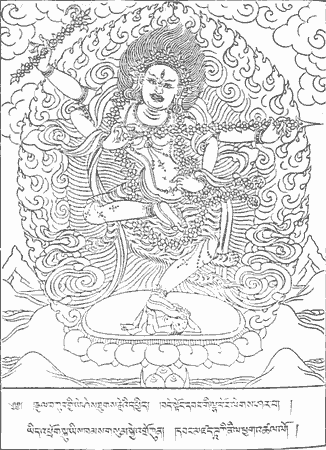
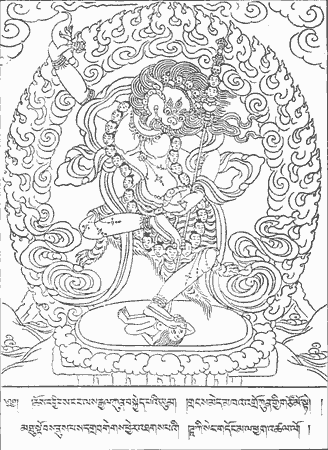
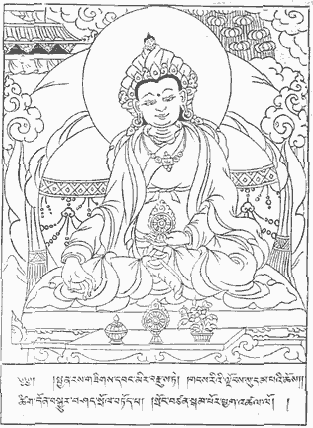
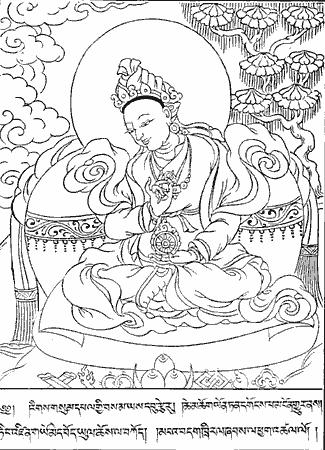
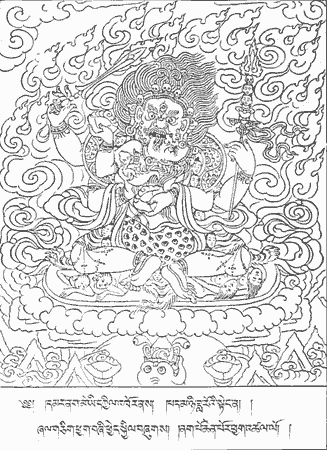
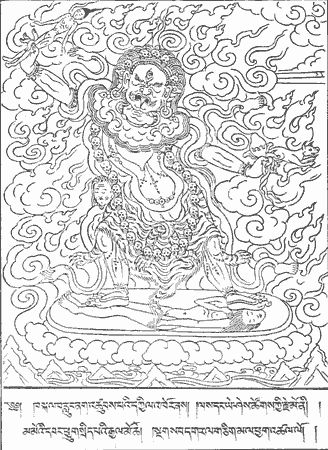
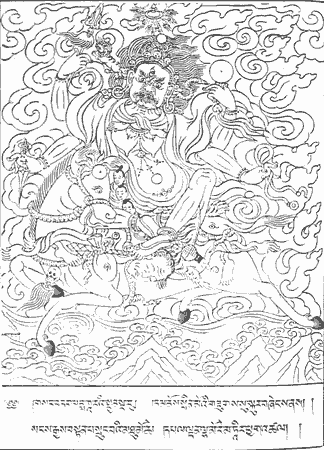
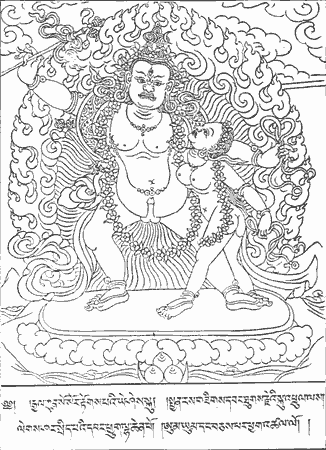
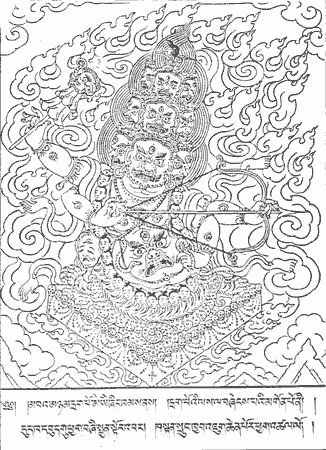
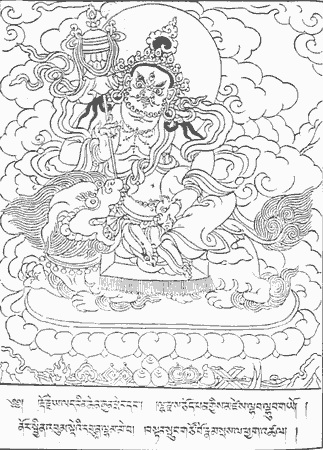
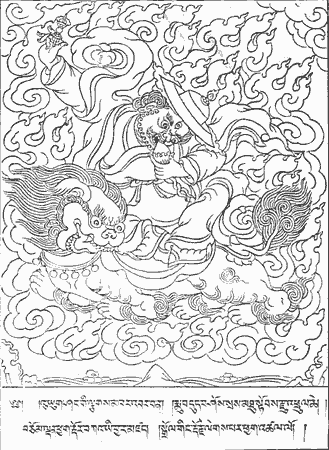
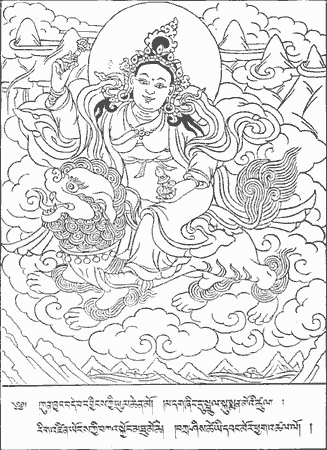
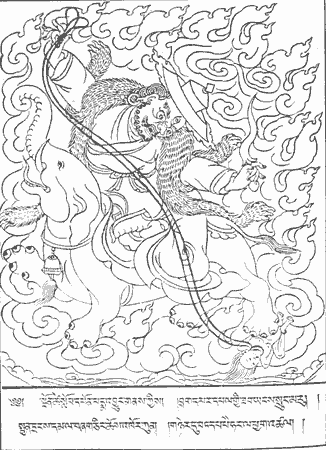
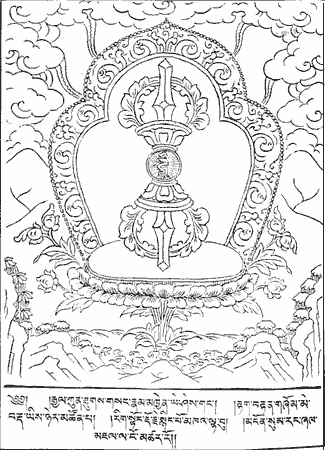
This page presents a selection of images from the Nyingma pantheon of Lamas, Buddha Deities, Dakinis and Protectors and this accompanying introduction provides some essential context. Each of the full size images is shown with a translation of the verses of homage. Downloading and reproduction of the images is welcomed if not for profit but please acknowledge the copyright. The Nyingma Icons was first published in Kailash, Kathmandu in 1974.
Keith Dowman has just recently produced and and published a new and updated Presentation of The Nyingma Icons. For this presentation edition, Au Leshe’s line-drawings have been digitally re-processed providing higher resolution, and the greater space on the page sets off this ancient art form. The prose has been cosmetically edited. For these reasons this edition qualifies as a unique Presentation Edition. Any noncommercial reproduction of individual icons is welcome.
Tankas
The sacred art of Tibet is best known through painted scrolls, or tankas. These tankas describe a full Buddhist vision arisen in meditation. The ninety-four line-drawings that comprise the Nyingma Icons delineate the graphic basis of tankas, incorporating the principal images of the Nyingma pantheon.
The Nyingma school is the oldest of the schools of Tibetan Buddhism, founded by Tibet's Great Guru, Padma Sambhava, in the eighth century. The Tibetan Buddhist pantheon is immense, the Nyingma school familiar with only a fraction of it, while the Nyingma Icons includes only the pre-eminent images in an ancient and vast tradition. However, insofar as all the Tibetan schools recognise their own origins in the Nyingmapa, the figures in this book are known to all Tibetan Buddhists, and as archetypal realities residing in human awareness they should resonate in the minds of all human beings.
In the vision of reality arising through Tibetan Tantric meditation there is an integral unity of form, sound and thought. Tibetan yogins believe that a vibration of awareness is reproduced spontaneously in form and sound, and thus the yogin's transformative power is able to reproduce in the environment what is visualised in the mind. Conversely, an external form perceived through the organs of sight vibrates in a pure mind to create a numinous reality that gives meaning to the form. When the external form is a portrait of a divine being representing the archetypal foundations of the enlightened mind, that being is invoked in its full visionary reality. Likewise when the euphonic corollary of that vision - a mantra or descriptive verse - is recited or sung, again the same visionary reality is invoked. In this way the Nyingma Icons is a compendium of visual and vocal forms, drawings and songs, that can be used to realise the divine beings that they represent. However, in the meditative tradition these beings - Buddhas, Lamas, Deities and Protectors - are encountered in the first place as a result of techniques of visualisation free of external supports, and these drawings and songs provide only a method of reawakening the powers and forms of awareness that they represent after the initial practice has created an intimate relationship with them.
This Collection
The particular collection of Buddhas of the Nyingma Icons was chosen by His Late Holiness Dunjom Rimpoche to illustrate his encyclopeadic work The History of the Nyingma Dharma. Dunjom Rimpoche (see no. 64) was a great yogin and master of Dzogchen and a scholar deeply steeped in the theoretical learning of his school. The structure of the book follows the metaphysical pattern employed in Dunjom Rimpoche's History. After the first eight drawings, which represent The Principals of Indian Mahayana Buddhism, the Buddhas are divided into three classes called the Three Roots - Lamas, Deities and Dakinis - and ending with a fourth class - Dharma Protectors and Guardians. Brief descriptions of these various classes are to be found at the beginning of each section. The Three Roots are the lineal roots of the Dzogchen teaching that bestow blessings, the spiritual roots of yogins that bestow power, and the feminine roots of the mind that remove obstacles.
About the Artist
The drawings of the Nyingma Icons were produced by the late Sherpa hermit, the Gomchen Oleshe. Oleshe was born in Jumbesi in Solu, the southern part of the Sherpa homeland, in 1924, when Sherpa culture began to blossom after the introduction of the potato had allowed capital formation and population increase. In his late teens Oleshe crossed the border into Tibet and worked first as an apprentice and then later as a master painter travelling in southern and central Tibet. Finally, he settled down at Dza Rongphuk Gompa, in the lee of Mt Everest's north face. As personal attendant and most favoured student he studied under Dza Rongphuk Sangye Rimpoche, the renowned scholar Ngawong Tenzin Norbu, before abandoning the monastery and taking to a cave on Everest's north slope. After the Chinese occupation of Tibet in 1959 the Rongphuk Gompa was relocated to the west of Junbesi, Oleshe's birthplace, in Solu, where it became known as Tubten Choling, and Oleshe returned to his homeland at about the same time. In his maturity Oleshe took a vow never again to step over a householder's threshhold and to live in the forest for the rest of his days. He took up residence under a rock overhang on the side of a cliff overlooking Junbesi village. When the villagers became aware of a hermit living close by they began offering him food and daily necessities, according to their tradition. Eventually he attracted Sherpa disciples, who first built him a shelter and then a hut to which was added additional rooms as more students gathered around him. He was called to Thubten Choling by the lama, Trulshik Rimpoche, the principal disciple of his Guru, to paint the Lhakhang. In the mid nineteen-seventies Oleshe became the teacher of a group of young Sherpas and several western students. [Amongst these students was the American H.R.Downs whose drawings of the Mahsiddhas can be viewed on this site.] Au Leshe died in 1983.
To the south-east of Junbesi is a small monastery called Shedrup Teljuk Chokhorling, or Serlo Gompa. It was built by another remarkable native Sherpa, Lama Sangye Tenzin. This lama received his education in eastern Tibet at the great Khampa monastic academy of Shechen, one of the monasteries associated with the Khampa eclectic Buddhist renaissance of the nineteenth and early twentieth century. Returning to Solu he established his small Nyingmapa monastery and became renowned as a scholar and teacher, instructing several Sherpa acolytes and also some western students.
In the mid nineteen-seventies Jumbesi was a small unspoiled village in a dramatically beautiful valley on the main trek to Everest, an eight day walk from the road to Kathmandu. It became host to a small community of western expatriates drawn there by its hospitable people with their traditional Tibetan life-style and religious culture. An American, Richard Tenzin Mueller, was a patron and friend of both Oleshe and Lama Sangye Tenzin, and it was at his request that Oleshe produced these ninety-four drawings and Sangye Tenzin collected and penned the songs of homage. The original line-drawings belong to Richard Tenzin, but they have been reproduced in many forms to be used as icons on Buddhist altars throughout the world.
Keith Dowman
Kathmandu
July 26, 1989